



Simple tips for money, life, and more,
just using a little common cents.
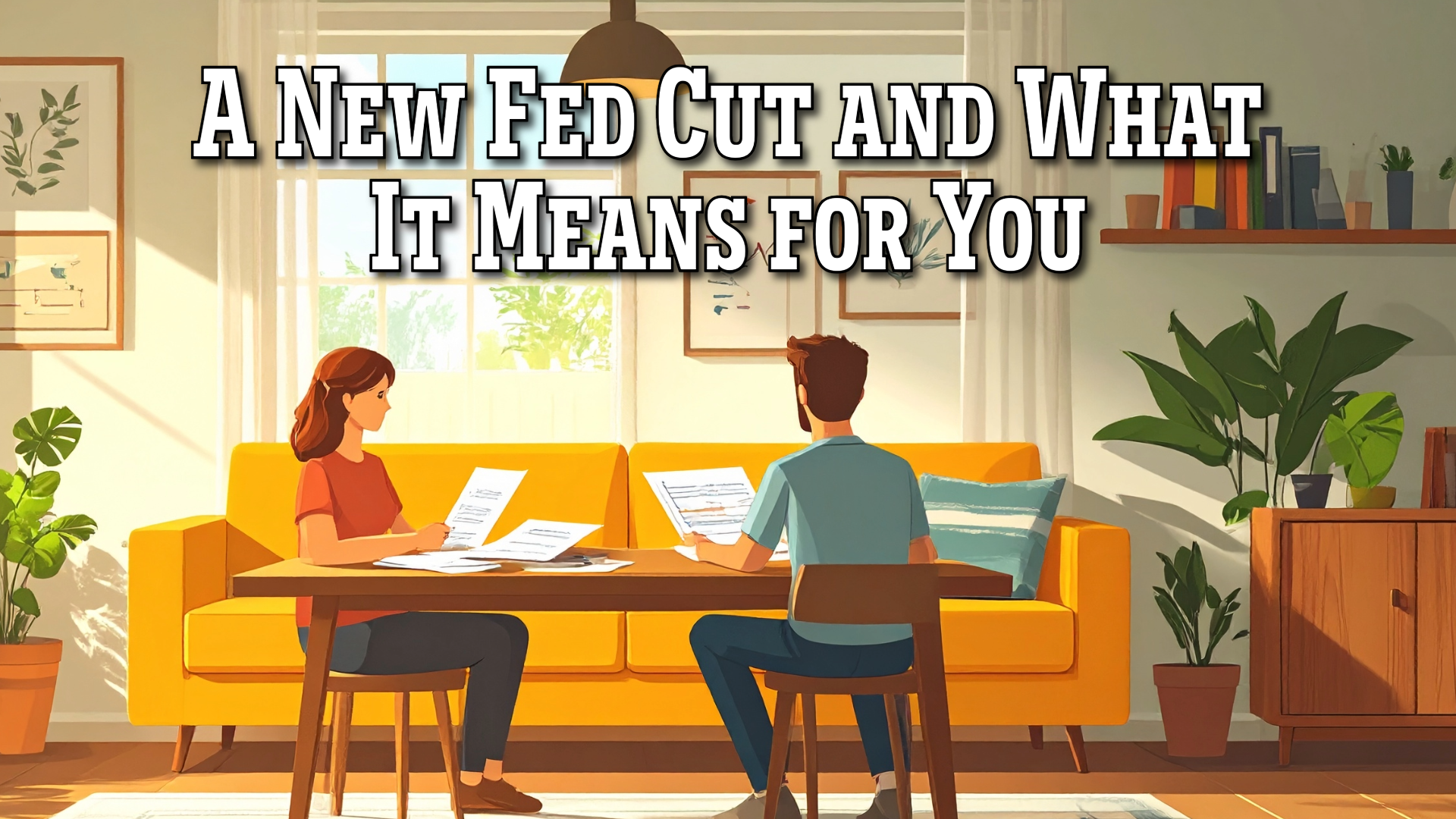
The Federal Reserve is expected to lower its main interest rate again this week. If that happens, it would be the third cut this year. The rate would move into a range a little above three and a half percent. This rate shapes the cost of borrowing across the country, even though we do not pay it directly. This shift comes at a time when the Fed itself is divided. Some officials believe the economy still needs more support. Others worry that lowering rates too much could bring new problems. At the same time, the future leadership of the Fed is under new attention. President Donald Trump has said he already knows who he wants to follow Chair Jerome Powell. Many expect Kevin Hassett, who leads the National Economic Council, to be the top pick. If he steps in, he would walk into a Fed that is working through real disagreements about the path forward. For most of us, another rate cut brings a mix of hope and caution. It is natural to look for lower borrowing costs when the Fed moves, but the reality is more complicated. Rates do not always drop in a straight line, and different loans react in different ways. Short term borrowing is the most sensitive to a Fed decision. Credit card rates tend to move with the prime rate, which usually sits a few points above the Fed rate. When the Fed cuts, the prime rate dips, and credit card rates often adjust within a month or two. Even so, the change may feel small. Moving from twenty percent interest to eighteen percent still leaves most families facing heavy credit card bills. Other common loans, like auto loans and federal student loans, will not change at all if you already have them. Their rates are fixed. New borrowers next year may see small improvements, but it depends on the market. Mortgages bring an even more complex story. These longer loans move more slowly and are shaped by inflation and the broader economy. Many experts point out that investors still do not believe inflation is fully under control. That belief has kept mortgage rates stuck in a narrow band. If you have a fixed rate mortgage, your payment will not change unless you refinance. Adjustable mortgages and home equity lines of credit move more quickly and will feel the Fed cut sooner. For families looking for relief, one steady path remains clear. Raising your credit score often does more for your borrowing costs than any single Fed move. A stronger score opens the door to better offers on cards, cars, personal loans and even mortgages. It gives you more room to breathe, no matter what the Fed decides. We will all keep an eye on the meeting this week, knowing that these decisions ripple through our homes, our budgets and our plans for the year ahead.

A new money trend is spreading online and changing how people think about spending. It is called loud budgeting and it is about being honest about what you choose to spend or not spend without feeling bad about it. For a long time, people avoided talking about money. It was seen as private or rude. But many now believe that speaking openly about money helps build better habits. Loud budgeting encourages people to say they are saving for something more important instead of pretending they can afford everything. This trend began when everyday people started sharing their financial goals on social media. They talked about skipping small luxuries, cutting back on impulse buys, and saving for things that really matter. By saying their goals out loud, they found it easier to stay on track and helped others feel comfortable doing the same. Loud budgeting is not about being cheap or negative. It is about being confident in your choices. Maybe you stay in instead of eating out, or pass on a trip so you can pay off debt. Speaking those choices out loud removes guilt and replaces it with purpose. When people talk openly about money, it becomes less stressful. It also helps friends and families understand each other better. Loud budgeting reminds us that saving is something to be proud of, not something to hide. The next time you feel pressure to spend, try saying what you are really thinking. A simple “That is not in my budget right now” can be a small but powerful step toward financial peace.

Buying a car can feel exciting but also stressful. With so many options, it’s easy to spend more than you should. That’s why many financial experts point to the “20/4/10 rule” as a smart way to guide your decision. It gives you clear limits to follow so you don’t end up with a car payment that drains your wallet. The first part of the rule is about your down payment. You should put at least 20% down when you buy your car. This reduces how much you borrow, which lowers your monthly payment and interest costs. The second part is about the loan term. You should finance the car for no longer than four years. Stretching a loan over five, six, or seven years might make the monthly payment look smaller, but it means you’ll pay much more in interest. Keeping it under four years helps you pay off the car faster and avoid being “upside down,” where you owe more than the car is worth. The third part of the rule is about your budget. Your car payment, insurance, and other related costs should not take up more than 10% of your monthly income. If you make $4,000 a month, that means everything car-related should stay under $400. Following this keeps your car from eating into money you need for housing, savings, or emergencies. This rule doesn’t mean you can’t enjoy a nice car. It simply sets boundaries so your choice fits your financial life. Smart choices today set you up for more freedom tomorrow. If you’re shopping for a car, remember the numbers 20, 4, and 10. They could be the difference between a car that helps you get around and a car that keeps you stuck in debt.