
A New Fed Cut and What It Means for You

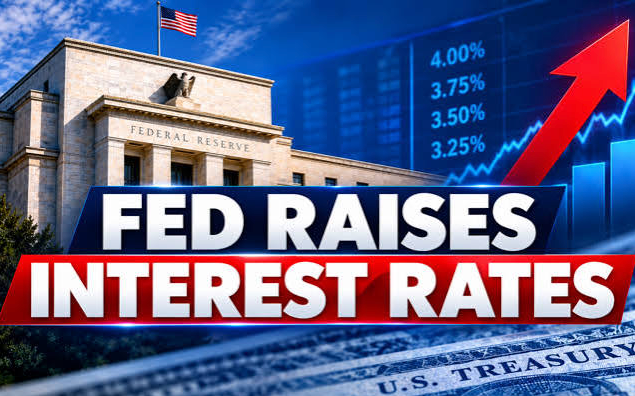
The Federal Reserve is expected to lower its main interest rate again this week. If that happens, it would be the third cut this year. The rate would move into a range a little above three and a half percent. This rate shapes the cost of borrowing across the country, even though we do not pay it directly.
This shift comes at a time when the Fed itself is divided. Some officials believe the economy still needs more support. Others worry that lowering rates too much could bring new problems. At the same time, the future leadership of the Fed is under new attention. President Donald Trump has said he already knows who he wants to follow Chair Jerome Powell. Many expect Kevin Hassett, who leads the National Economic Council, to be the top pick. If he steps in, he would walk into a Fed that is working through real disagreements about the path forward.
For most of us, another rate cut brings a mix of hope and caution. It is natural to look for lower borrowing costs when the Fed moves, but the reality is more complicated. Rates do not always drop in a straight line, and different loans react in different ways.
Short term borrowing is the most sensitive to a Fed decision. Credit card rates tend to move with the prime rate, which usually sits a few points above the Fed rate. When the Fed cuts, the prime rate dips, and credit card rates often adjust within a month or two. Even so, the change may feel small. Moving from twenty percent interest to eighteen percent still leaves most families facing heavy credit card bills.
Other common loans, like auto loans and federal student loans, will not change at all if you already have them. Their rates are fixed. New borrowers next year may see small improvements, but it depends on the market.
Mortgages bring an even more complex story. These longer loans move more slowly and are shaped by inflation and the broader economy. Many experts point out that investors still do not believe inflation is fully under control. That belief has kept mortgage rates stuck in a narrow band. If you have a fixed rate mortgage, your payment will not change unless you refinance. Adjustable mortgages and home equity lines of credit move more quickly and will feel the Fed cut sooner.
For families looking for relief, one steady path remains clear. Raising your credit score often does more for your borrowing costs than any single Fed move. A stronger score opens the door to better offers on cards, cars, personal loans and even mortgages. It gives you more room to breathe, no matter what the Fed decides.
We will all keep an eye on the meeting this week, knowing that these decisions ripple through our homes, our budgets and our plans for the year ahead.