


Jeff Bezos Says the Bottom Half of Americans Should Pay No Federal Income Tax
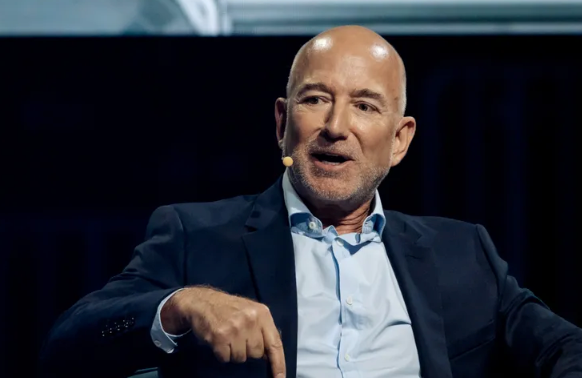
One of the more surprising financial stories making headlines this week comes from Jeff Bezos. The billionaire entrepreneur is arguing that the bottom half of American earners should pay zero federal income tax.
At first glance, that may sound like an idea you would expect from a politician rather than one of the world's wealthiest business leaders. But Bezos says many working Americans are struggling with housing costs, groceries, and everyday expenses, and believes eliminating their federal income tax burden would give them a better chance to get ahead.
The idea is simple. Instead of lowering taxes for lower income workers, he wants to eliminate federal income taxes altogether for roughly the bottom 50 percent of earners. According to tax data cited in recent reports, that group currently contributes only a small percentage of total federal income tax revenue.
For the average person, the immediate question is obvious: How much money are we talking about? The answer depends on income, family size, deductions, and credits. Many lower income households already owe little or no federal income tax because of existing deductions and tax credits. Because of that, analysts say the biggest benefits would likely go to middle income households rather than the very lowest earners.
A similar proposal currently being discussed in Congress would eliminate federal income taxes for many individuals earning less than $46,000 and married couples earning less than $92,000, while also reducing taxes for many middle income families.
Of course, the challenge is paying for it. Reducing or eliminating taxes means the federal government would collect less revenue. Some lawmakers have suggested offsetting the cost by increasing taxes on households earning more than $1 million per year. Others argue the focus should be on reducing government spending instead.
What makes this story important is not whether the proposal ultimately becomes law. The chances of any major tax overhaul making it through Congress remain uncertain. The bigger story is that conversations about who pays taxes, how much they pay, and whether the tax system should be reshaped are becoming more common across the political spectrum.
For many Americans, especially those feeling squeezed by higher living costs, the idea of keeping more of each paycheck is easy to understand.
Whether that happens through tax cuts, spending reforms, or some combination of both will likely remain part of the national debate for years to come.