


The Impact of the Iran War Is Showing Up In Credit Card Spending
You may not see the Iran war in your daily routine, but it is quietly showing up in one place most people feel right away. Your credit card.
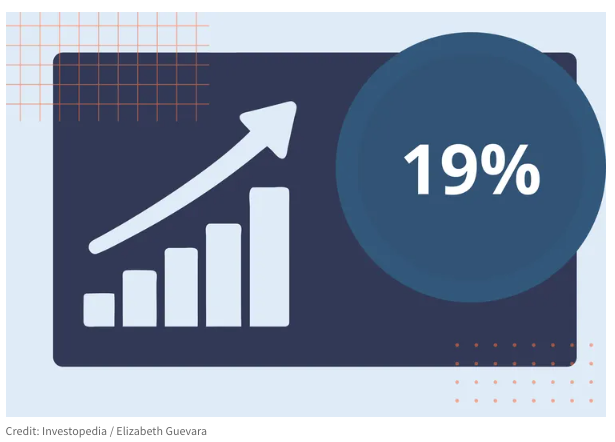
Right now, Americans are spending a lot more just to fill up their cars. Data from a major bank shows gas spending on credit cards jumped about 19 percent compared to last year.
That is not because people are driving more. It is because gas costs more.
The reason traces back to the conflict overseas. The war has disrupted oil moving through one of the world’s most important shipping routes. When oil supply gets tight, prices rise. And when prices rise, everyday costs follow right behind.
You can see it at the pump. Gas prices climbed by about a dollar per gallon in a short time. That one change starts to shift everything. Families are now spending more on fuel, which leaves less money for other things. Groceries, eating out, and small extras begin to feel tighter. Even if total spending is still going up a little, it is not stretching as far as it used to.
There is also a deeper divide starting to show.
Higher income households are holding steady for now. But lower income families are feeling the pressure faster, since gas takes up a bigger share of their budget.
This is what economists sometimes describe as a split economy. Some people can absorb the change. Others feel it right away.
And this is where it connects to the bigger picture.
When people spend more on needs like gas, they tend to pull back on wants. Over time, that can slow down the broader economy. Consumer spending is one of the main drivers of growth, so even small shifts can ripple outward.
What is happening right now is a reminder of how connected everything is. A conflict far away can change the price of fuel here at home. And that change can quietly reshape how people live, spend, and plan.
It is not always dramatic. Sometimes it shows up in small decisions. Filling up the tank. Skipping a purchase. Waiting a little longer before spending.
Those small shifts add up.