
The Fed Raised Interest Rates. Here Is What It Means for Your Money
Have a credit card balance, plan to buy a car or keep money in savings? The Federal Reserve’s latest decision could affect you.
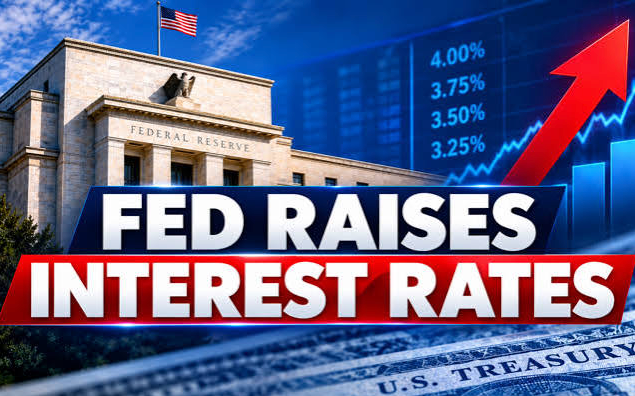
The Fed raised its key interest rate by one quarter of a percentage point on September 16. It was the first increase since 2023 and brought the rate to about 3.9 percent. The goal is to slow spending and borrowing as inflation continues to run higher than the Fed would like.
That may sound like something that only matters on Wall Street. But changes in this rate eventually reach many of the financial decisions people make every day.
Credit cards could cost more
Most credit cards have variable interest rates. When the Fed raises rates, card companies often follow.
The increase may not look dramatic on your next statement. Someone carrying a balance of about $6,600 at a 22 percent interest rate could see the minimum payment rise by around $1.38 a month.
But the bigger problem is that credit card rates were already high. If you carry a balance from month to month, even a small increase means more of every payment goes toward interest instead of paying down what you owe.
This may be a good time to focus on your highest interest card, look for a lower rate option or avoid adding new charges that cannot be paid off quickly.
Car loans may also move higher
Auto loan rates could increase, although the change may take time to show up.
A quarter point increase would probably add only a few dollars to the monthly payment on a typical vehicle loan. The larger issue is that new and used vehicle prices are already stretching many household budgets.
If you are shopping for a vehicle, look at the total cost and not just the monthly payment. A longer loan can make the payment look better while leaving you paying much more interest over time.
Mortgage rates are more complicated
The Fed does not directly set mortgage rates.
Mortgage rates are influenced more heavily by the bond market, inflation expectations and the outlook for the economy. That means they may rise, fall or remain steady even after the Fed changes its rate.
Still, continued concern about inflation can keep mortgage rates elevated. Anyone buying a home should compare several lenders because even a small difference in the rate can add up over a 15 or 30 year loan.
People with a fixed mortgage will not see their current rate change. Those with an adjustable rate mortgage or a variable home equity line could eventually pay more.
Savers may finally see some benefit
There is a good side to higher rates.
Banks may increase what they pay on high yield savings accounts, money market accounts and new certificates of deposit. Some high yield savings accounts were already paying above 4 percent before the Fed acted.
Do not assume your bank will automatically give you a better return. The national average savings account was paying only 0.63 percent shortly before the Fed’s announcement.
Take a few minutes to check the rate on your account. Moving emergency savings to an insured high yield account could help your money earn more while remaining available when you need it.
What should you do now?
There is no need to make a sudden financial move because of one rate increase.
Start by checking the interest rates you are currently paying and earning. Pay particular attention to credit cards and other variable rate debt. If you have money sitting in a low paying savings account, compare it with other insured options.
The Fed’s decision may only change individual payments by a few dollars at first. But when borrowing is already expensive and household budgets are tight, those small changes can build over time.