
Your Halloween Candy May Come w/ a Tax Trick
Have you started buying Halloween candy yet? Depending on where you live and what kind of candy you buy, the tax man may be reaching into the bowl too.
It turns out candy taxes are surprisingly complicated.
With cocoa prices climbing sharply in recent years, the cost of filling that Halloween bowl is already higher. Add sales tax and that bag of chocolate can cost a little more depending on which state you call home.
But here is where things get strange.
For tax purposes, not every candy bar is actually considered candy.
Twenty three states follow a common set of sales tax rules that define candy as something made with sugar or other sweeteners combined with things like chocolate, fruit or nuts.
There is one interesting exception. Flour.
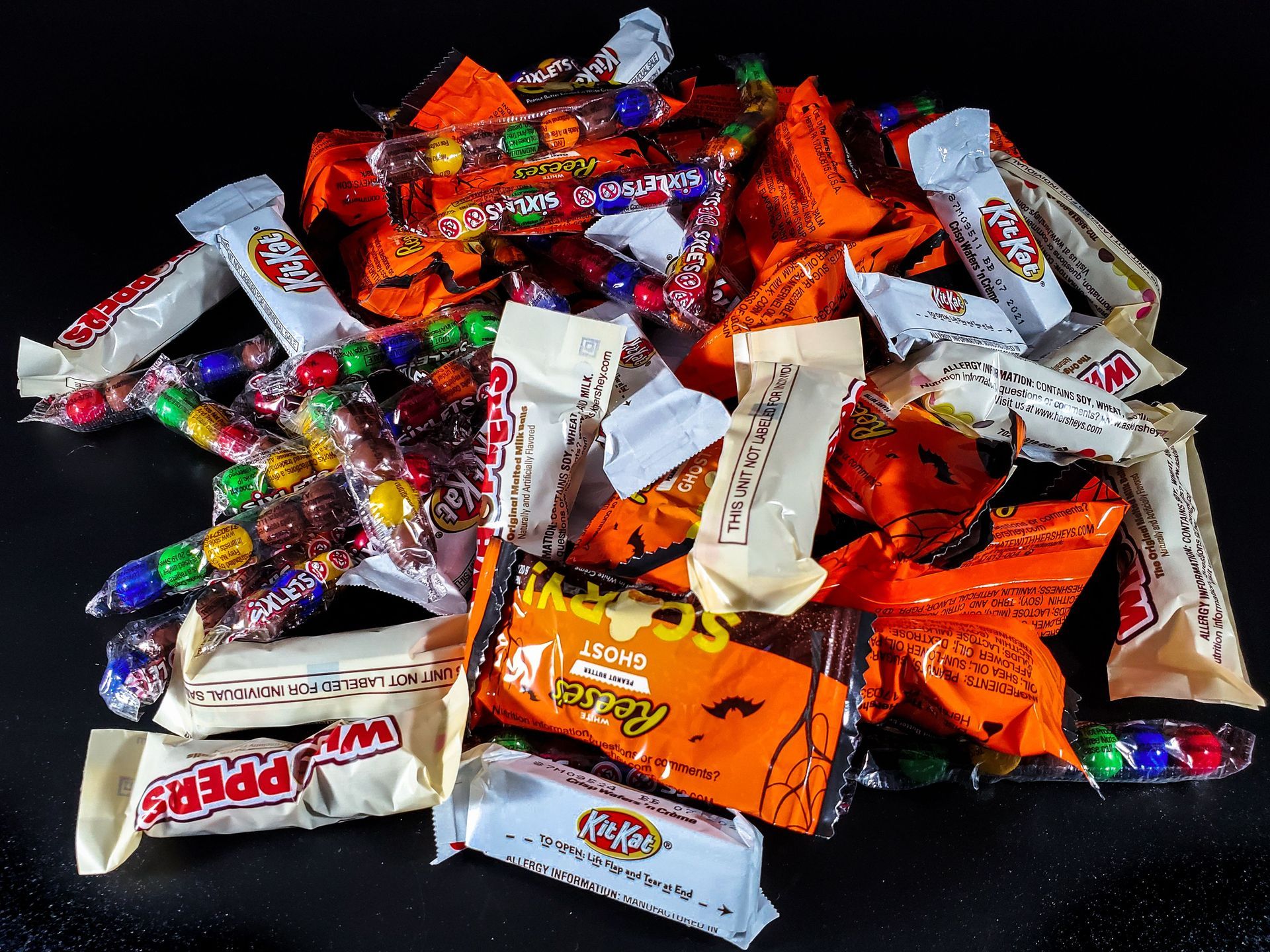
If a chocolate bar contains flour, it may not technically qualify as candy under those rules. That means something like a Kit Kat, Whoppers or other chocolate containing flour could receive different tax treatment than a traditional chocolate bar.
Yes, your candy bar ingredients can actually determine your tax bill.
Then there are states where the rules are much simpler.
Arizona, California, Louisiana, Massachusetts, Pennsylvania and South Carolina generally do not charge state sales tax on chocolate purchased for consumption away from where it is sold.
Where you buy it can matter too. Chocolate purchased at a grocery store and taken home may be treated differently from candy purchased at a movie theater, sports arena, vending machine or festival.
And local taxes can still apply even when the state does not tax the candy.
Here in Alabama, there is another wrinkle. Alabama still taxes groceries, although the state grocery tax has been reduced to 2 percent. Local sales taxes can also be added, so the final amount you pay can vary depending on where you shop.
For one bag of Halloween candy, we are probably talking about a small amount of money.
But there is a bigger lesson hiding in the candy bowl.
Taxes are not always as simple as the percentage printed on a chart. Where you live, what you buy and sometimes even the ingredients in what you buy can change what you pay.
So this Halloween, if you find yourself choosing between two candy bars, you can add one more thing to consider.
Apparently flour can be a financial decision too.